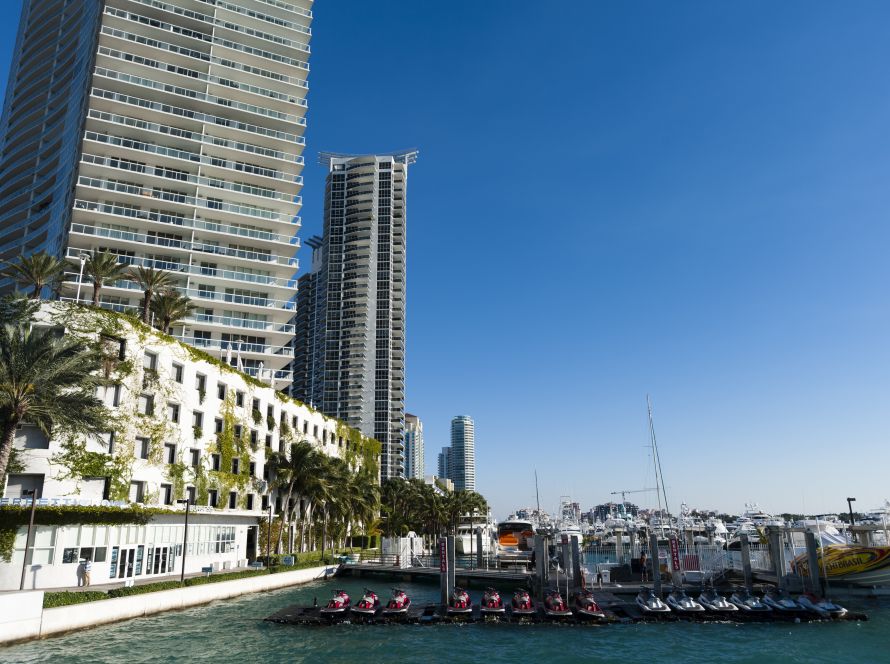
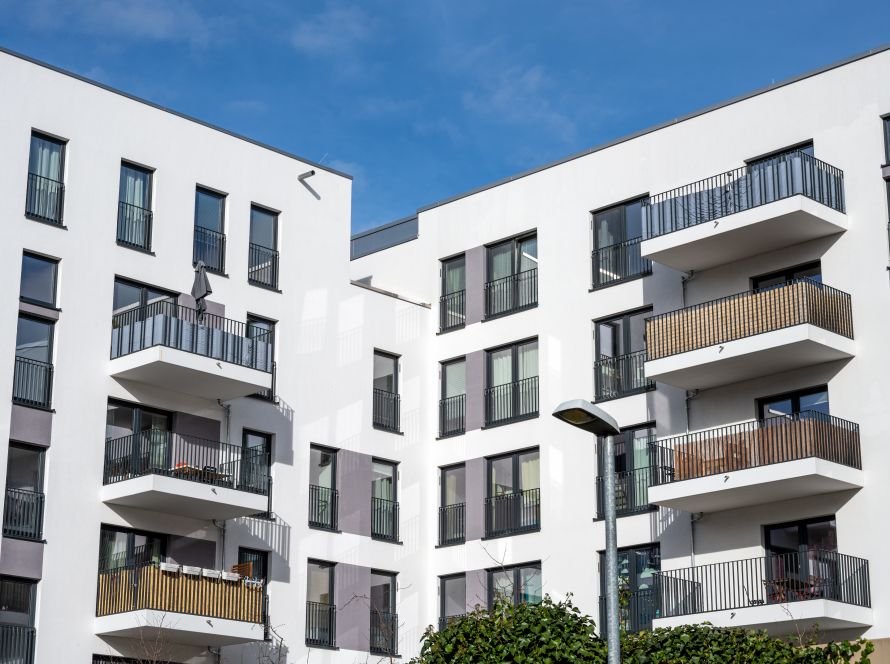
For years, downtown Miami, Brickell, and the immediate urban core were the center of gravity for large-scale development. Towers rose quickly, capital poured in, and the skyline became a symbol of Miami’s transformation into a global city. But as the market continues to mature, a noticeable shift is taking place.
More and more major development activity is moving north of downtown.
This isn’t a sudden trend or speculative rush. It’s a natural evolution driven by economics, infrastructure, and long-term planning realities that are reshaping where meaningful growth happens in Miami.
A Maturing Core Changes the Equation
Downtown Miami has reached a stage where land scarcity, density constraints, and rising acquisition costs significantly impact feasibility. While the area remains vibrant and desirable, the barriers to entry are higher than ever.
Developers today are operating in an environment where returns depend not just on location, but on flexibility — the ability to design smarter projects, manage costs more effectively, and plan for long-term sustainability rather than short-term momentum.
As the core matures, expansion outward becomes less about speculation and more about strategy.
Why Development Is Moving North
Neighborhoods north of downtown offer something increasingly rare in the Miami market: opportunity with room to grow.
From North Miami and North Miami Beach to Miami Shores, NoMi, Aventura, and surrounding corridors, these areas combine several critical factors developers look for:
- Larger or more workable parcels
- Less restrictive zoning compared to the urban core
- Strong residential demand driven by lifestyle and affordability
- Proximity to major transportation routes and employment centers
- Long-term upside as infrastructure and amenities continue to expand
This movement north is not about abandoning the core — it’s about balance. As cities evolve, growth follows paths where development can occur more thoughtfully and efficiently.
Scale Is Following Planning, Not Just Hype
One of the most notable aspects of this shift is the quality of development being proposed. These are not isolated or purely opportunistic projects. Many are mixed-use, residential-focused, or community-oriented developments designed to serve both residents and the broader market over time.
Developers are prioritizing livability, access, and functionality — factors that are harder to execute in ultra-dense downtown environments but more achievable in emerging northern neighborhoods.
This signals a more disciplined phase of Miami’s growth cycle.
Infrastructure and Lifestyle Are Catching Up
Another driver behind this shift is infrastructure. Transportation improvements, retail expansion, healthcare facilities, and educational institutions are increasingly supporting northern neighborhoods in ways that didn’t exist a decade ago.
At the same time, lifestyle preferences have evolved. Residents are seeking space, convenience, and quality of life — often favoring neighborhoods that offer accessibility without the intensity of the downtown core.
As demand shifts, development naturally follows.
A Long-Term View of Miami’s Growth
From a broader perspective, this movement north reflects Miami becoming more than a single-node city. Instead of growth being concentrated in one central district, development is spreading across multiple hubs, creating a more resilient and diversified urban fabric.
This type of expansion is typical of maturing global cities. It allows for more stable growth, better infrastructure planning, and communities that can evolve sustainably over time.
Looking Ahead
Miami’s future will still include downtown, Brickell, and the urban core — but it will no longer be defined solely by them. The next chapter of growth is unfolding northward, where opportunity, planning, and long-term vision intersect.
For those paying attention, the map of Miami development is clearly expanding — and the momentum is already in motion.